
The Merchant Tailor:
On Cloth, Quality and the Business of Dressing Well.
Selling Truth:
Why I Started
Spier & Mackay
Menswear is full of claims.
Every brand promises craftsmanship. Every product is "premium." Every price tag comes with an elaborate story.
But for most customers, it's become harder to know what quality actually is. How is it made? What's genuinely worth paying for? If you've ever wondered why one suit costs $1,200 while another, made to a comparable standard, can sell for under $500, you're not alone. The middle ground, where honest quality and fair pricing should live, had all but disappeared.
I started Spier & Mackay because I've always believed something simple: great quality clothing should be attainable, not exclusive.
Our Story
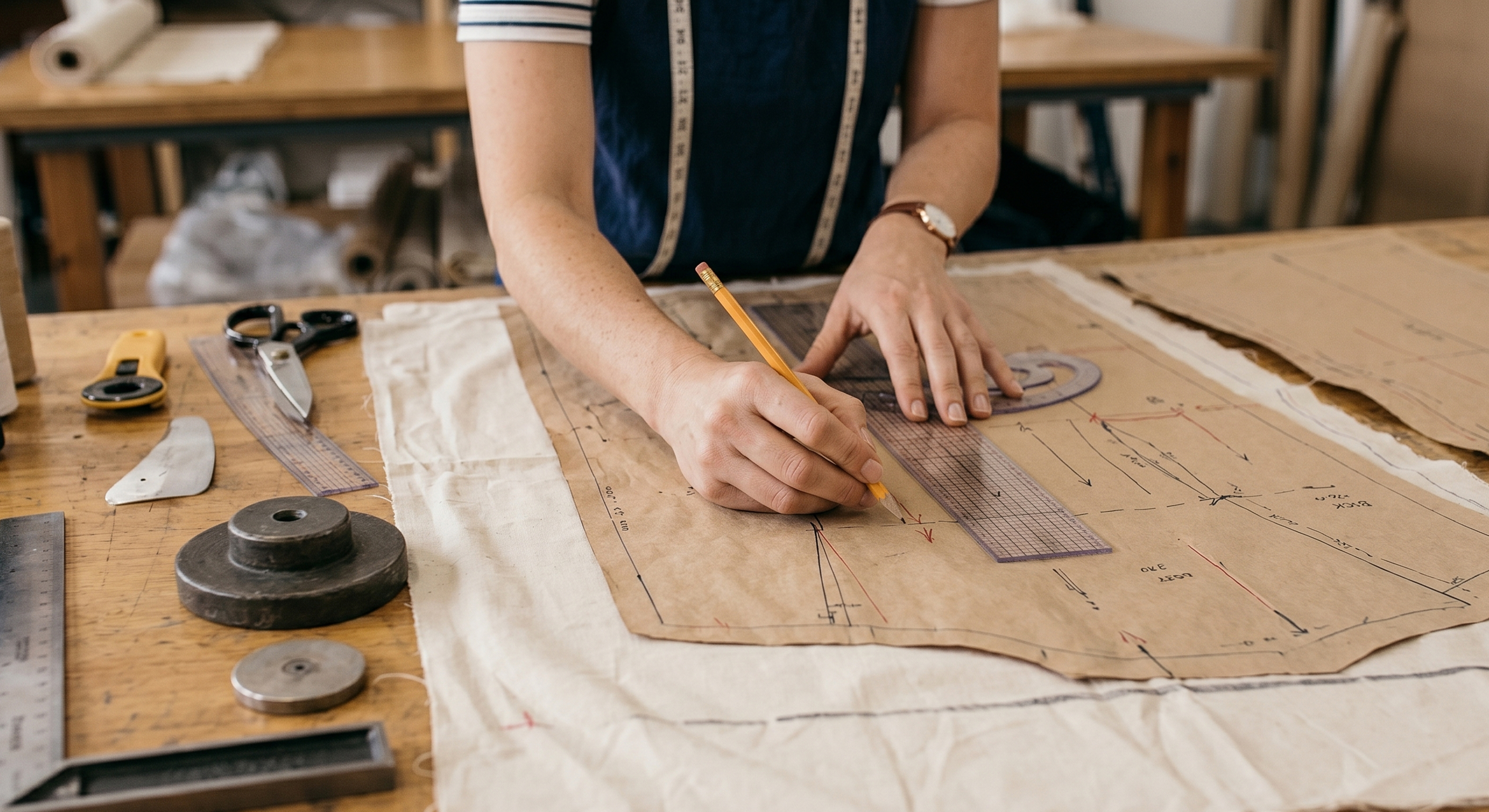
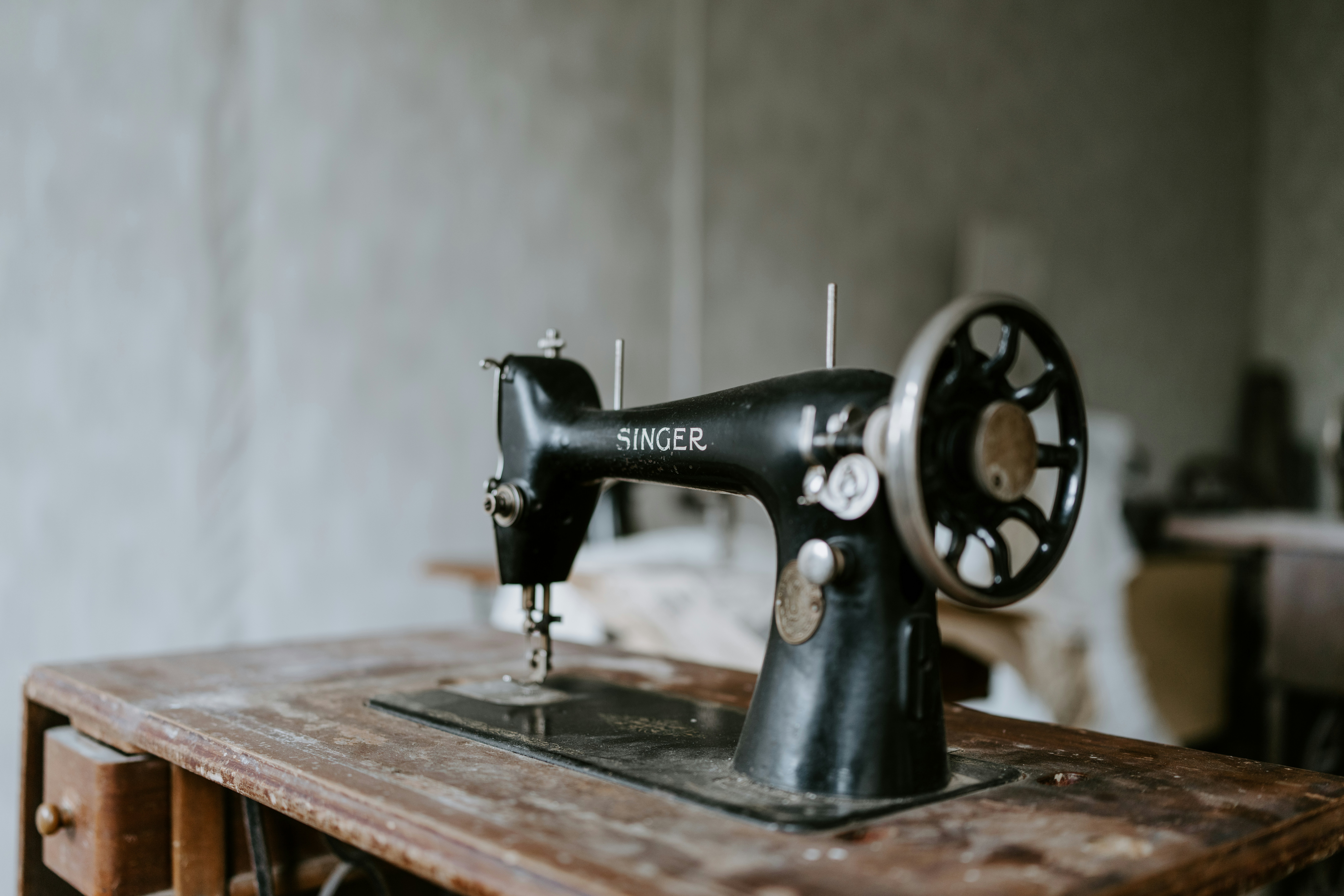
Textiles have been part of my life for as long as I can remember. My family has been in the textile business since 1971, across fabric, tailoring, and manufacturing. I grew up around cutters, sewers, and patternmakers, learning firsthand how clothing is actually produced.
In 2004, a trip to India brought that perspective into sharp focus. While visiting family, I stopped by my cousin's tailor shop, who in turn introduced me to one of the largest fabric markets I'd ever seen. Hundreds of vendors, thousands of bolts of cloth, garments made with remarkable care and precision.
We selected fabrics for a few custom shirts, and they were made locally to an exceptional standard.
What stayed with me was the disconnect: even accounting for every added cost, shirts like these could be offered for a fraction of what similar garments sold for back home. It raised a question I couldn't shake:
Why had well-made clothing become so inaccessible, when the fundamentals of producing it were far more grounded?
After the wholesale apparel business I was involved in was hit hard during the 2008 downturn, I began thinking differently. Distributors, retailers, and high markups had created an unnatural price gap between what something cost to make and what a customer paid for it. Going direct wasn't just a philosophy. It was a way to remove unnecessary layers of cost and offer genuine value in return.
In 2009, I returned to India to find the right fabric suppliers and production partners. After nearly a year of searching and development, we were ready. Spier & Mackay launched on May 5th, 2010, starting with the product that sparked the idea in the first place: the dress shirt. We wanted to prove that exceptional quality and honest pricing could coexist.
We've grown steadily since. In 2014, tailoring followed, through a manufacturing partnership in China that we still maintain to this day. Adding tailoring changed everything, and sales began to surge. The product range expanded, the brand found its footing, and by 2016 things really started to take off. No outside capital, no shortcuts. A commitment to quality, word of mouth, and online chatter did the rest.
So, What Happened to the Middle?
There was a time when you could walk into your neighborhood menswear shop and buy a shirt, trousers, or a coat with the assumption that it would last. People owned fewer garments, fabrics were often more substantial, and quality was the norm, not the exception.
We noticed this happening across the industry. The push for higher margins and lower prices was coming at a direct cost to quality. Fabrics were getting thinner, construction was getting weaker, and what had once been the standard was quietly becoming the exception. The market was splitting into extremes: disposable fast fashion on one end, inflated luxury pricing on the other.
The middle had simply been squeezed out.
That's the space we've been working hard to restore.
Quality Lives in the Details
.jpg)
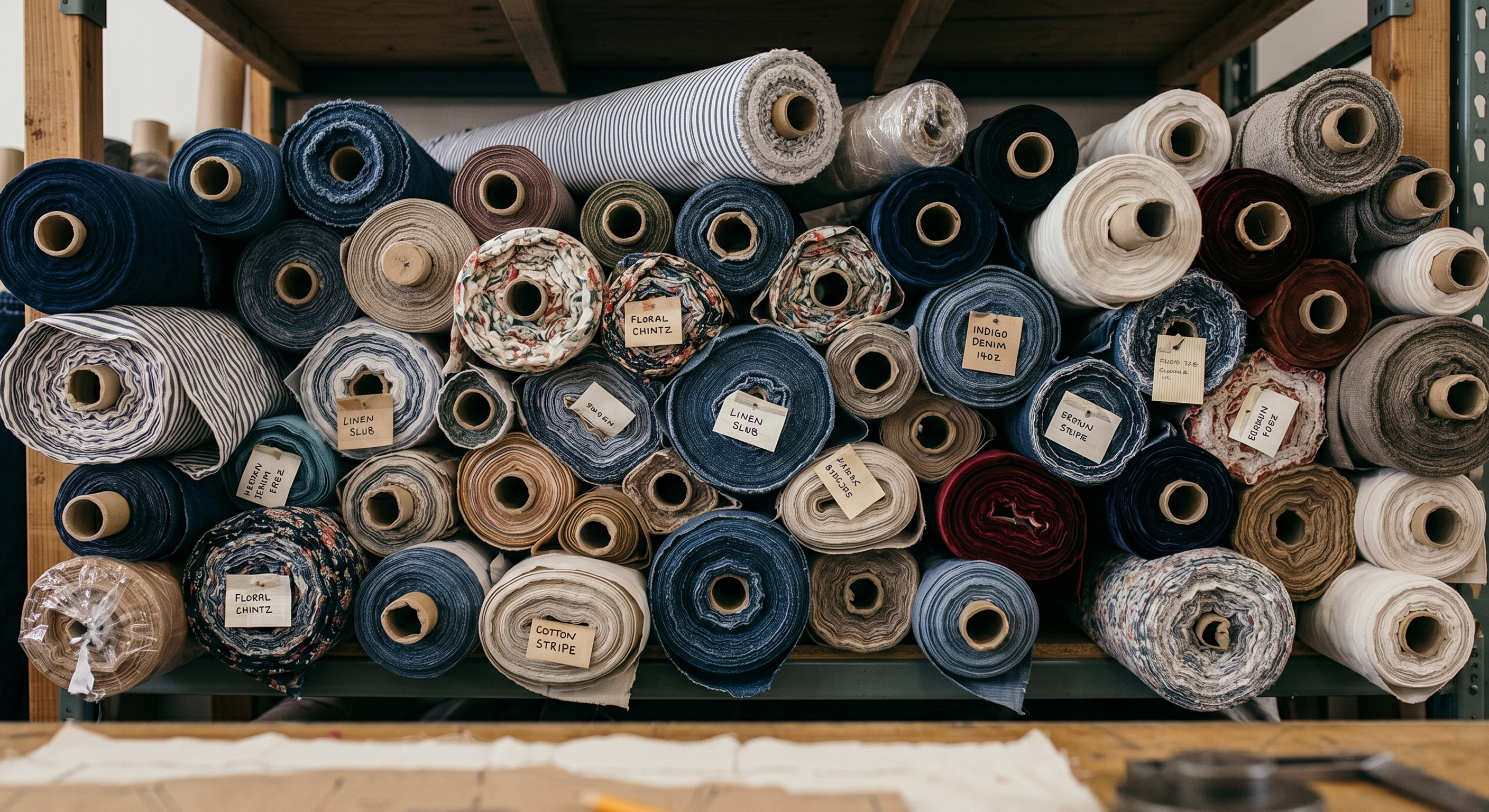
We work directly with some of the world's best mills to develop exclusive fabrics. We maintain long-term factory partnerships built on consistency and shared standards that we've developed over more than a decade. And we run the business with discipline, refining processes and eliminating inefficiencies, so you are paying for the garment itself, not the bloated markups.
One example tells it best.
As our brand grew, we found ourselves searching for vintage inspired textures and tones that simply didn't exist in modern mill collections. So we decided to develop our own.
Our Antique Gray Herringbone cloth is a good example.
A mill rep once showed me an archival swatch from an older bolt of Harris Tweed. The white yarn had gently mellowed over time, giving the fabric a softer, more lived-in character. It was exactly the kind of understated tone I'd been looking for.
I asked if it could be made for us. Unfortunately it couldn't. That kind of aging takes years to develop naturally. But fortunately for us, the mill was willing to find a solution.
Over several months and multiple trials, we achieved the perfect cloth. The result became one of our most successful fabric developments to date, our Antique Gray Herringbone. And because we worked directly with the mill, without distributors or middlemen, the cost of that quality goes into the cloth itself. Not into someone else's margin.
Why We Decided to Start This Blog
Building Spier & Mackay has taught me a lot about fabric, fit, manufacturing, and what it actually takes to deliver real quality at an honest price. That's what we'll be addressing here. The same questions that drove me to start this brand are the ones we'll be digging into. Why well- made clothing became so hard to find. Why the price gap between what something costs to make and what you pay for it is so often unjustified. And what it actually takes to make quality clothing accessible again.
Our goal is simple. Uncover the truth behind what you're paying for, and why it matters.
We hope you find it worth your time.
More on cloth, quality, and the business of dressing well.
Continue exploring the ideas behind our fabrics, fits, manufacturing standards, and the details that make a garment worth wearing.