
Spier & Mackay Journal
Why True Innovation in Apparel Isn’t Luxury. It’s Affordable Quality at Scale
In tailoring, “luxury” is often shorthand for quality. But the harder—and more meaningful—achievement is delivering that same level of refinement consistently, at a price more people can access.
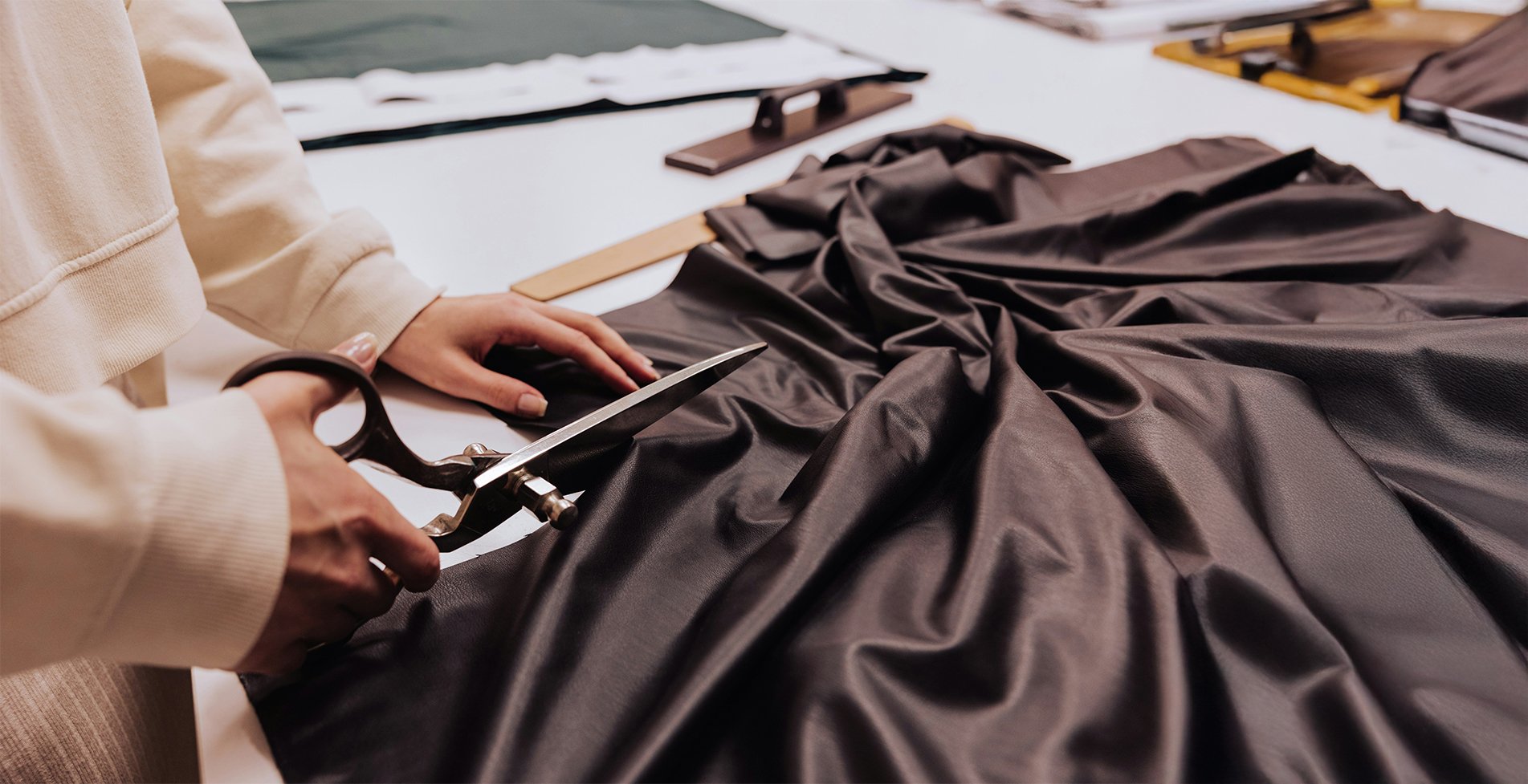
When most people think of quality clothing, they tend to think of luxury. Hand-finished seams. Superfine Italian wool. That perfectly structured shoulder on a blazer. It all signals craftsmanship and elevated design.
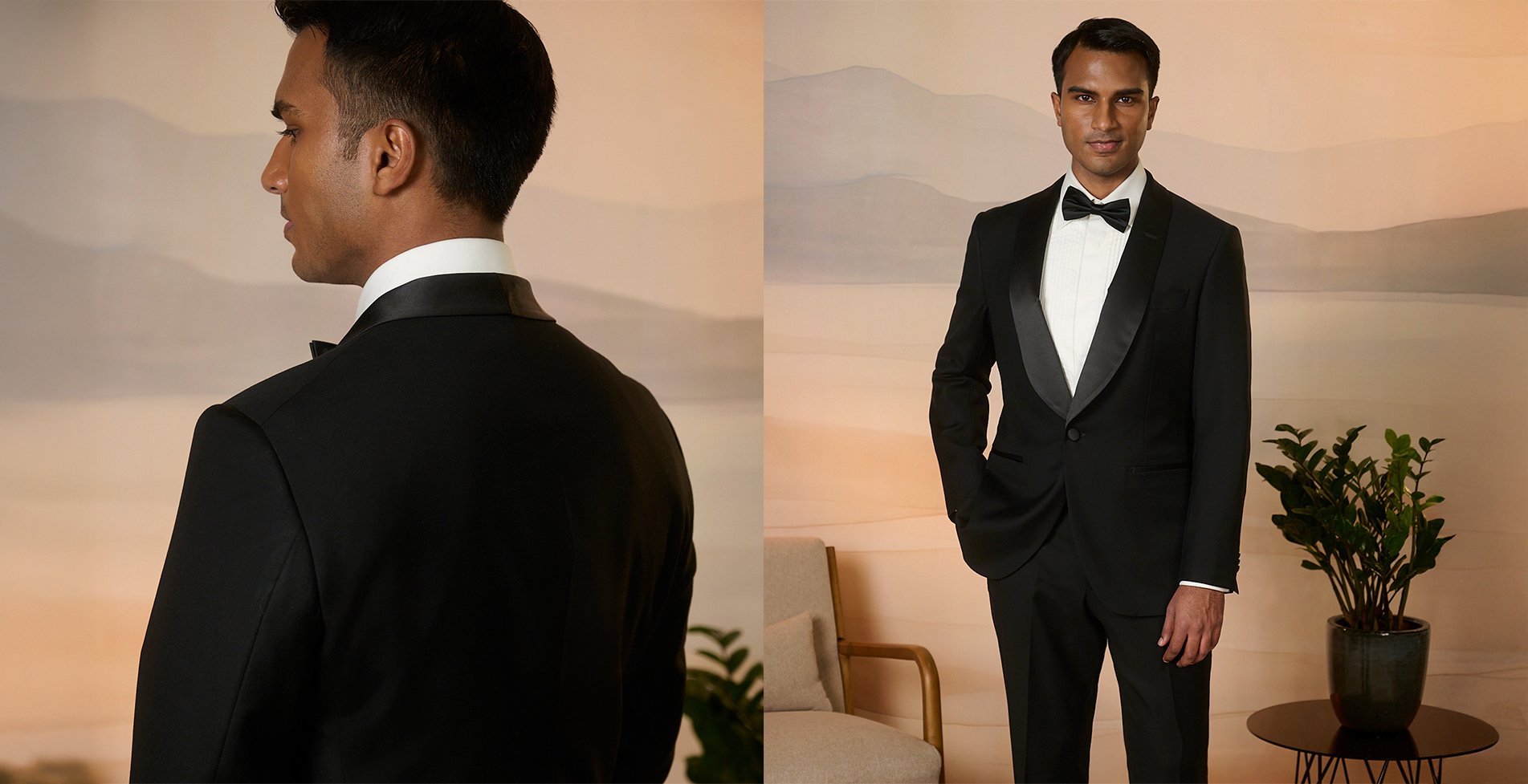
But here’s the truth: making great clothing at a high price isn’t that difficult. In fact, it’s the easier path to follow. In the world of tailored apparel, nearly any small brand with some capital can access the same supply chain as the big names.
Mills like Loro Piana, Vitale Barberis Canonico, and Albini don’t reserve their fabrics solely for heritage houses. Boutique labels can order small runs of world-class cloth and partner with skilled workshops across Europe or Asia. These artisans know how to cut and sew an excellent jacket.
The result? A beautiful garment that sells for upwards of $1,200 or more. A polished brand story. Maybe even a tag like “accessible luxury.” But here’s the thing. There’s no real innovation in that.
If you can afford to pay the right people and price the product accordingly, you can make something great. There are a lot of resources and factories at the ready to make it happen. The real challenge—the one few brands are able to take on—is building high-quality tailored apparel at scale and at an accessible price. That’s where the game changes.
Quality at Scale: The Real Test
Mass production introduces a thousand chances for quality to slip. When you're producing tens of thousands of units instead of hundreds, every decision matters:
Fabric sourcing
You need mills that can deliver consistency and high quality at volume, often requiring collaboration and long-term development.
Manufacturing
You need systems, training, and QC processes that ensure garment #1 and garment #100,000 meet the same standards.
Design for production
Patterns and construction must be refined for consistent fit and durability—without losing proportion, balance, or shaping.
Cost control
You have to do all of this while keeping pricing value-oriented—not luxury pricing.
Progress Over Perfection
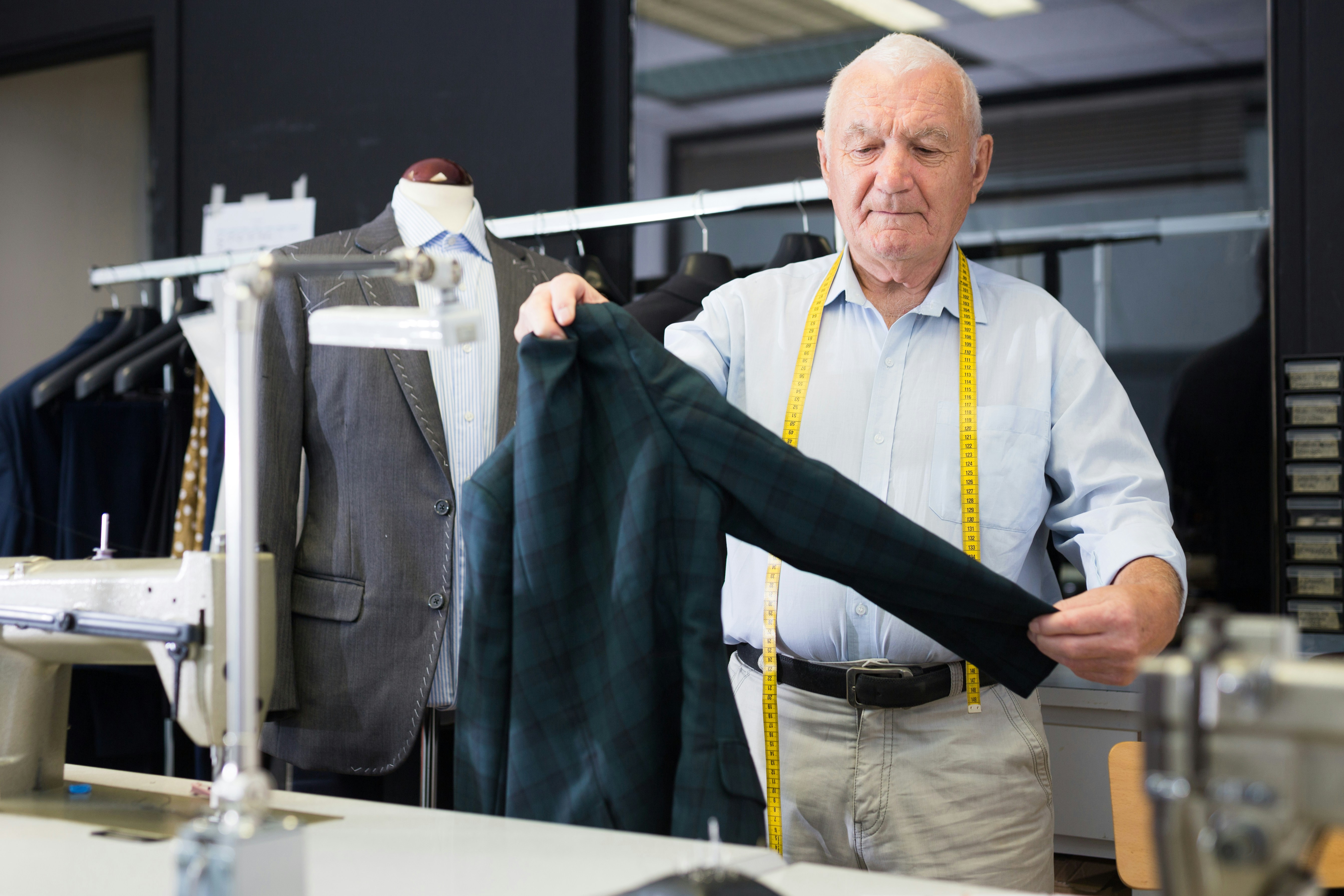
Getting this right isn’t easy, and it won’t be perfect from day one. Not every stitch will land exactly the same. Fit evolves. Finishing improves. But that’s the point.
Each production run is a chance to refine fit, materials, construction, and efficiency. We make refinements to patterns based on wear testing, feedback, and production learnings.
The goal isn’t perfection on day one—it’s disciplined improvement season after season, while protecting the value that makes great tailoring accessible.

Case Study: The Grenadine Tie
Grenadine ties are a classic menswear staple: lightweight, textured, and incredibly versatile. Woven with a unique open weave on vintage looms, they offer a refined look that pairs effortlessly with suits or sportcoats.
But traditionally, they come at a high price—often $150 or more—because only a few mills still produce the fabric in limited quantities.
We wanted to offer that same timeless look at a more accessible price. At first, we explored the usual options: buying Italian grenadine and producing in Italy (too expensive), or shipping the fabric to our existing tie workshop (still not cost-effective).
So we took a different route. We worked with our manufacturer to restore a vintage loom and produce grenadine fabric in-house. It took a lot of time, testing, and refinement, but the result was worth it. A grenadine tie with 90% of the character of the Italian original, at around half the price.
That’s the kind of innovation we believe in: delivering quality through smarter processes, operational advancements, and not relying on inflated margins.
To Be Clear, Luxury Has Its Place
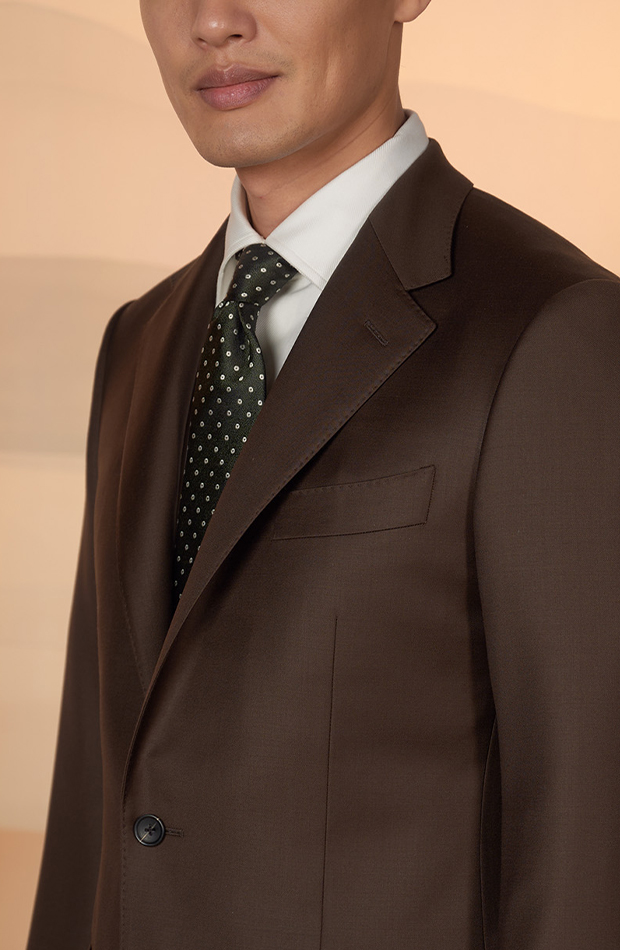
We’re not here to knock luxury. It absolutely has its place. High-end garments often feature rare materials, hand-finishing, or craftsmanship that simply can’t be replicated at scale.
If those details matter to you—if you're after a hand-padded lapel or a hand-attached collar—then the higher price is worth it. But for many people, those details don’t justify a two to three times price difference for a modest gain in overall quality.
That’s where we come in, and have pursued this goal from day one: offering garments that deliver that level of fit and quality refinement at a far more approachable price.
What It Means for You
A $900+ sportcoat made from Italian wool with a strong brand story might be a beautiful piece. For some, the craftsmanship and heritage are well worth the investment.
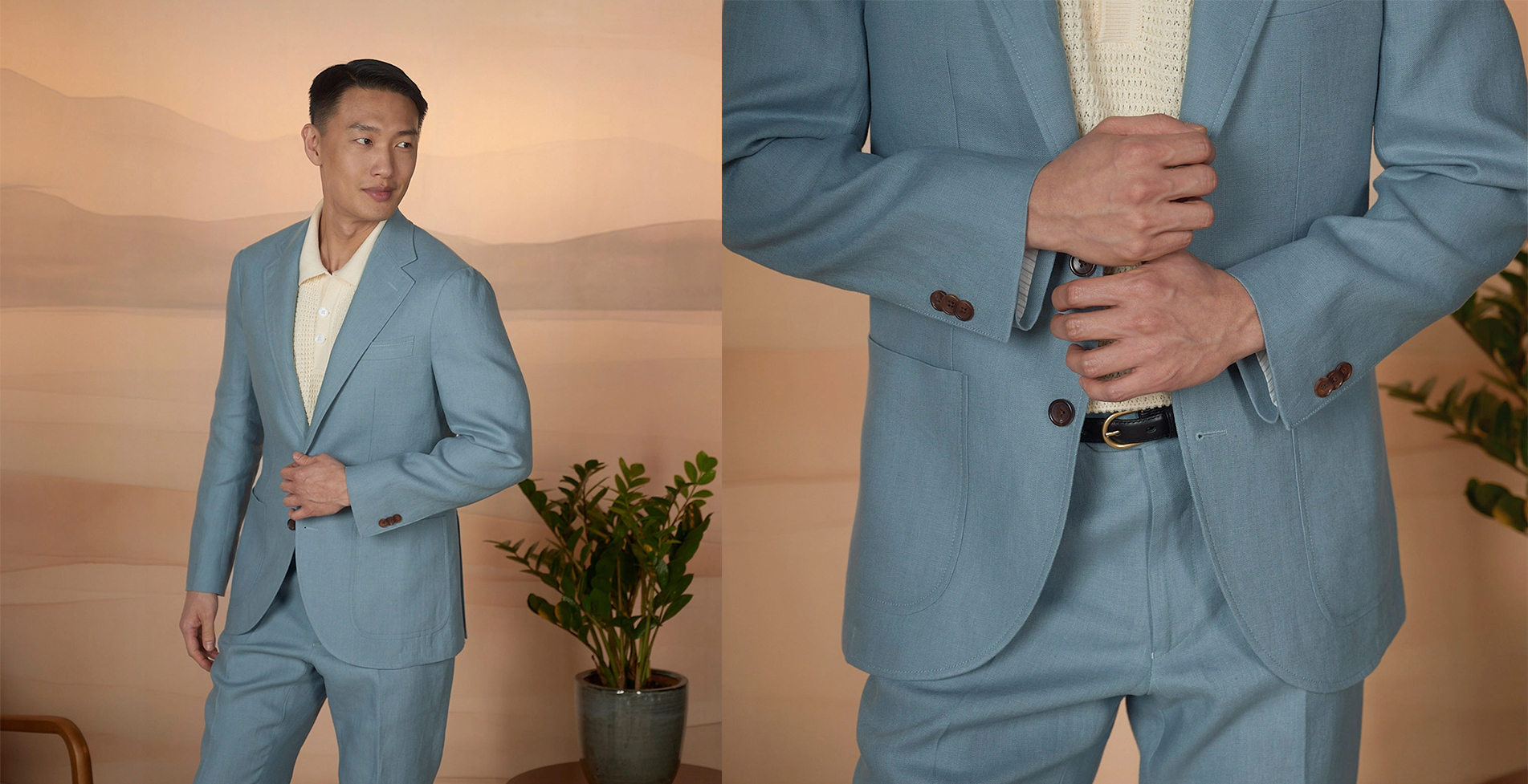
But there’s another kind of excellence that deserves just as much recognition. A $400 jacket that delivers the same exceptional fabric, refined construction, and consistent fit without the traditional luxury markup isn’t a compromise.
It means better sizing consistency, longer wear, and a level of finish that stands up to daily use. It’s a different kind of achievement—rooted in smart design, efficient production, and honest pricing.
Conclusion: Innovation Is in the Execution
Making great tailored clothing at a high price is about access and taste. Making that same quality affordable and consistent takes vision, discipline, and real operational innovation.
It’s not about being perfect out of the gate. It’s about improving every season, every product, every time, and doing it in a way that keeps the door open to more people to enjoy.
We’re not here to mimic luxury or chase trends. We focus on doing things better season after season and product by product, because good design, honest pricing, and consistent quality should never be out of reach.
Shop the pieces where fabric, fit, and construction matter most—without paying for a luxury markup.